

Updated September 23, 2026
A whole-house surge protector—more precisely, a surge protective device (SPD)—helps limit short-duration voltage spikes before they reach appliances, electronics, and hardwired equipment. It is an important layer of protection, but it cannot make a home immune to every lightning event, utility fault, or electromagnetic disturbance.
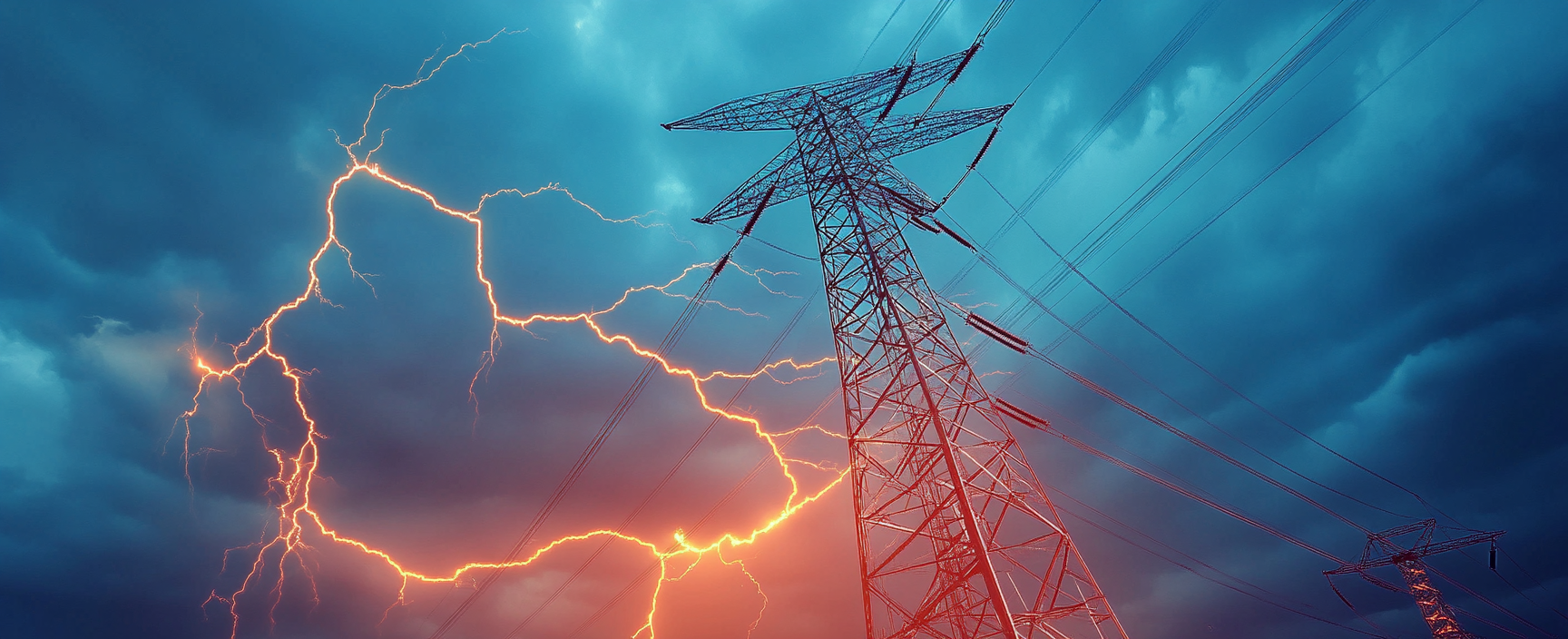
An SPD diverts excess transient energy away from protected circuits and toward the grounding system. Common sources include nearby lightning, utility switching, and motors cycling on and off. Unlike a power strip, a panel- or service-mounted SPD can protect many circuits at once.
SPDs wear as they absorb surges. Most have a status light or indicator that should be checked periodically and after a known electrical event. If the indicator shows the unit is no longer protecting, replace it according to the manufacturer’s instructions.
The right choice depends on the electrical service, panel, local code, and the device’s listing. A licensed electrician can confirm compatibility and the permitted installation point.
Look beyond a large “joules” number. For service and panel SPDs, useful specifications include:
Lead length and routing can affect performance. The SPD should be mounted close to its connection point with conductors kept short, straight, and arranged exactly as the manufacturer specifies. Proper bonding and grounding are also essential. Because installation involves energized service equipment or a breaker panel, this is work for a qualified electrician—not a casual DIY project.
Ask the electrician to verify:
A service-entrance or panel SPD is the first layer, not the last. Sensitive electronics can benefit from listed point-of-use surge strips or an uninterruptible power supply. Incoming coaxial cable, telephone, Ethernet, antenna, solar, generator, and other conductive pathways need compatible protection and bonding too; a device connected only to the electrical panel cannot protect an unprotected signal line.
For homeowners who want a combined surge and electromagnetic-pulse protection product, the EMP Shield Home EMP and lightning protection device is an available option. Have a licensed electrician confirm that it suits your service and install it according to its listing and instructions.
A properly selected and professionally installed whole-house SPD can reduce the risk of surge damage, but no device can guarantee protection from every event. Choose a listed product that matches your electrical system, keep connections short, protect every incoming pathway, and inspect the status indicator as part of routine home maintenance.
Leave a comment