

Updated September 27, 2026
A rocket heater can provide solid-fuel heat during normal use or an outage, but the right model is the one that can be safely sized, permitted, installed, vented, and insured at your location. Do not choose from a universal “90% less wood” promise; fuel consumption depends on the heater, building, climate, fuel, and operating method.
Floor area alone is not enough. Insulation, air leakage, window area, ceiling height, layout, outdoor temperature, and heat distribution determine demand. A professional heat-loss assessment is the best starting point for primary heating. Supplemental workshop or cabin use still requires realistic sizing.
A standalone rocket heater is not automatically a rocket mass heater. Thermal benches, long horizontal exhaust paths, water coils, cooking attachments, and other modifications should be used only if the manufacturer’s documentation permits them and local authorities approve them.
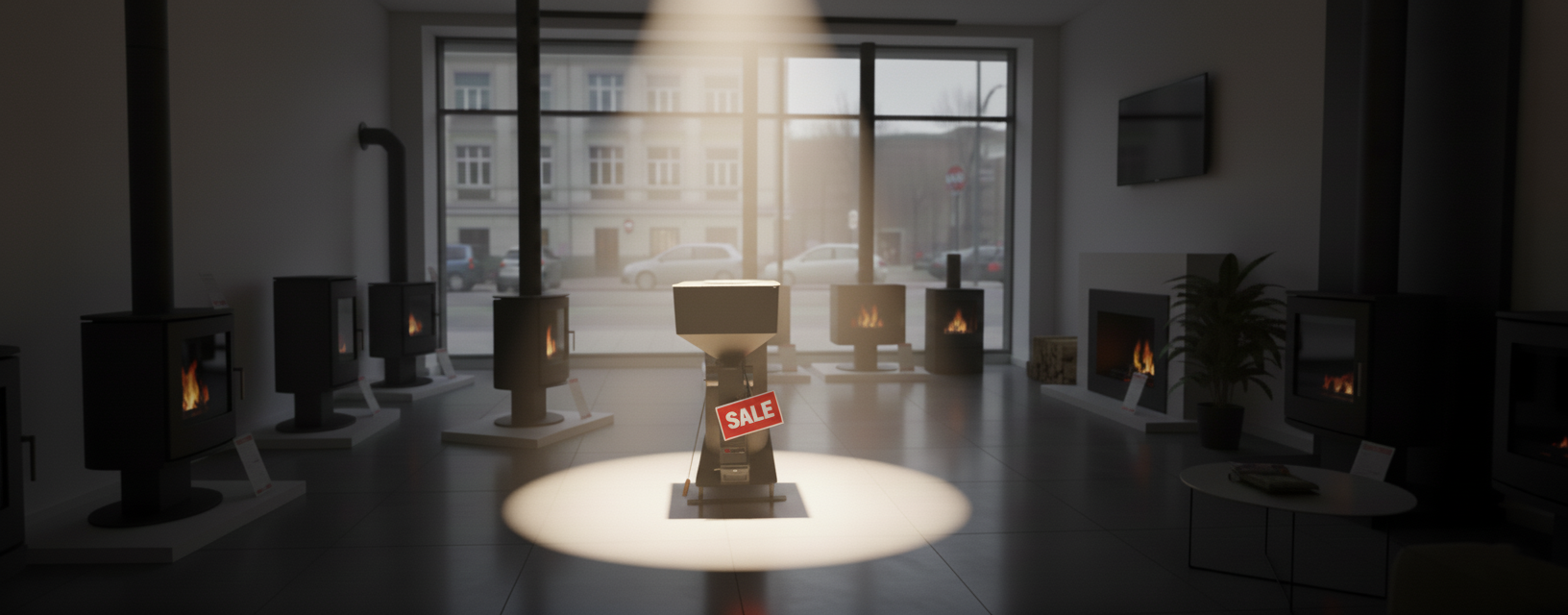
Prepper Hideout currently carries the Liberator Rocket Heater without hopper and the Liberator Rocket Heater with pellet hopper. Compare the current manuals, included components, approved fuels, clearances, chimney requirements, output guidance, and operating procedures.
The total cost may include the appliance, chimney, connector pipe, hearth protection, wall or roof penetration, permits, labor, fuel storage, alarms, and ongoing cleaning. A lower heater price does not compensate for an unsafe or noncompliant venting system.
Use only approved wood sizes, pellets, or other fuels listed by the manufacturer. Store wood dry and properly seasoned. If using a pellet hopper, understand whether it relies on gravity or electricity and how its operating procedure differs from wood. Never burn treated lumber, trash, painted material, or an unapproved fuel.
A well-chosen rocket heater is a complete installation, not just a stove. Buy only after the manual, site, chimney, authorities, and household heating needs all agree.
Leave a comment