

Updated September 27, 2026
A fire-brick pizza oven is a demanding masonry project, not simply a dome made from ordinary bricks. Successful ovens depend on a stable foundation, refractory materials, correct proportions, insulation, moisture management, and a controlled curing schedule. If you are new to masonry, use an engineered plan or a purpose-built oven kit and consult qualified local trades where required.
Check local building, fire, zoning, and homeowners-association rules before construction. Plan clearances from structures, combustible fencing, trees, roof overhangs, and property lines. The site needs stable support, drainage, room for fuel and tools, and a safe path for carrying hot food. Chimney height and spark control may also be regulated.
Masonry ovens are heavy. The footing and structural base must support the complete oven, insulation, enclosure, chimney, and finishes without settling. Soil, frost depth, drainage, seismic conditions, and local code can change the required design. A generic slab detail is not suitable for every site.
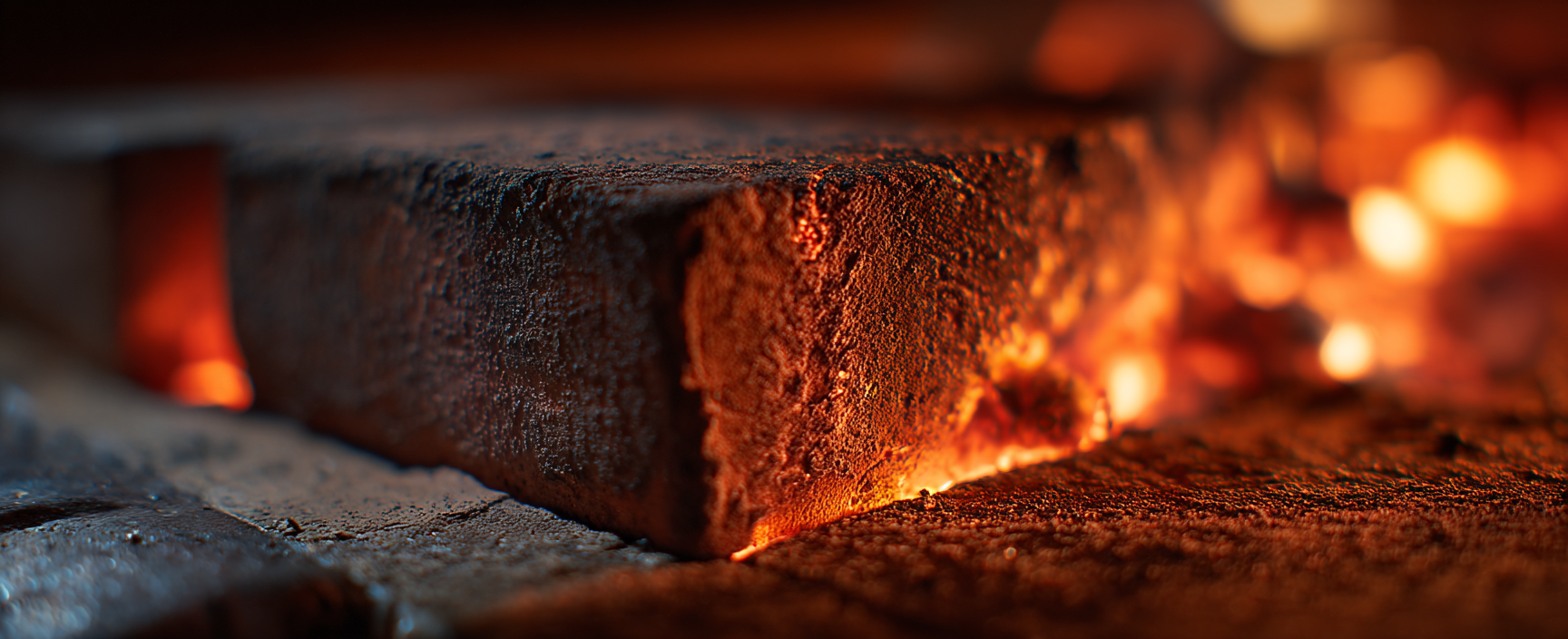
The cooking floor and inner dome should use firebrick and mortar rated for the intended temperatures. Ordinary concrete block, landscape pavers, and general-purpose mortar can crack or spall when repeatedly heated. Keep the manufacturer’s material instructions together as a system rather than mixing products casually.
Thermal insulation beneath the cooking floor and around the dome reduces heat loss and protects the outer enclosure. The weather shell should keep rain out while allowing the build to dry as designed. Trapped moisture can turn to steam during firing and damage masonry, so flashing, drainage, and curing matter.
The relationship between oven diameter, dome height, door opening, landing, vent, and chimney controls draft and heat retention. Avoid copying a single ratio without a complete proven design. Poor proportions can create excessive smoke, weak draft, or uneven heating.
Allow mortar and concrete to cure according to their instructions, then follow a gradual firing schedule. Large early fires can convert retained moisture to steam too quickly and cause cracking. Small cosmetic cracks can occur in masonry, but widening or structural cracks require evaluation.
For a documented starting point, current options include the CBO 500 DIY Kit, CBO 750 Wood-Fired Oven Culinary Bundle, and CBO 1000 DIY Kit. Follow the exact manual for the chosen system.
A durable brick oven comes from sound planning and patient construction. Treat the foundation, hot face, insulation, venting, enclosure, and curing process as one integrated design.
Leave a comment