

Updated September 24, 2026
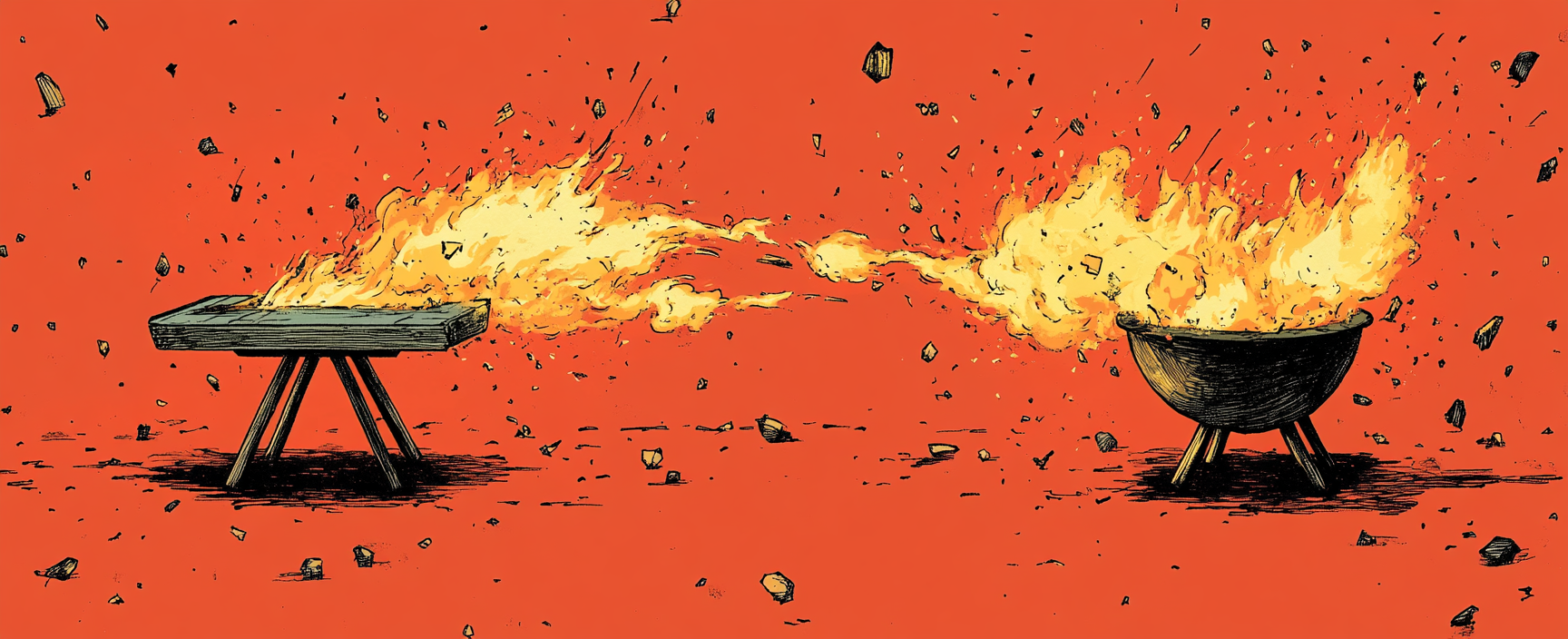
A fire table is usually best for controlled ambiance and a convenient gathering surface. A fire pit is usually better for a larger flame, traditional campfire atmosphere, and—in wood-burning models—more radiant heat. The better choice depends on fuel, space, local rules, maintenance, and how you plan to use the area.
Fire tables are primarily decorative outdoor gas appliances. The tabletop should not be treated as unrestricted dining space while the burner is operating, and combustible items must remain outside the manufacturer’s required clearances.
Wood smoke, sparks, ash, fuel storage, and local burn restrictions make wood pits less convenient in many neighborhoods. Gas fire pits reduce those concerns but still require ventilation and clearance.
Use either appliance only outdoors unless the exact model is specifically listed for another setting. Follow the owner’s manual for clearances, overhead cover, flooring, ventilation, and fuel storage. Keep the appliance away from structures, dry vegetation, furniture, and traffic paths.
Fire tables generally cost more because they combine a burner, enclosure, tabletop, controls, and finish. Gas use, protective covers, replacement ignition parts, and winter storage add to ownership cost.
Wood fire pits need ash removal and may corrode if water collects. Gas models require burner-port cleaning and fuel-system inspection. In either case, use a fitted cover only after the unit is cool and dry.
A large wood fire often feels hotter, but performance varies with fire size, wind, seating distance, and design. Gas appliances list input in BTU per hour, yet input is not the same as useful heat delivered to people. Wind guards and burner design can change the experience.
Browse current fire tables for a controlled gas flame and integrated surface, or explore outdoor fire pits for a more traditional setup. Verify each model’s fuel, listing, dimensions, clearances, cover requirements, and local approval.
Choose a fire table for convenience, clean gas operation, and patio aesthetics. Choose a fire pit for campfire character, flexible designs, and potentially greater wood-fired warmth. Safety clearances and local rules matter more than appearance.
Leave a comment